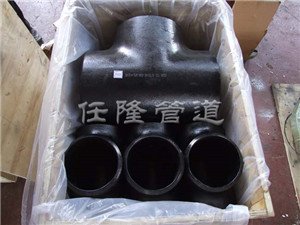
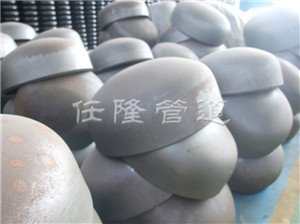
Pressure Vessel Head Pipe Cap

Pressure vessel heads have a wide range of applications and are important equipment playing a vital role in various national economic sectors such as petrochemical industry, energy industry, scientific research and military industry. The main body of a pressure vessel is generally composed of six major parts: cylinder, head, flange, sealing element, opening and nozzle,…

Description

Pressure vessel heads have a wide range of applications and are important equipment playing a vital role in various national economic sectors such as petrochemical industry, energy industry, scientific research and military industry. The main body of a pressure vessel is generally composed of six major parts: cylinder, head, flange, sealing element, opening and nozzle, and support.

# I. Scope
1. In terms of materials, the new standard is not limited to pressure vessel heads made of steel (carbon steel, low alloy steel, high alloy steel and composite steel plates), but also applies to pressure vessel heads manufactured from other metal materials (aluminum, titanium, copper, nickel and nickel alloys).

2. In terms of type and parameters, the new standard is applicable not only to elliptical, dished, torispherical and conical heads, but also to hemispherical and flat-bottomed heads. In addition, the new standard renames “flanged conical head” as “conical head”.

3. In terms of manufacturing methods, the new standard applies not only to heads formed by stamping, spinning and rolling, but also to segmentally formed heads.

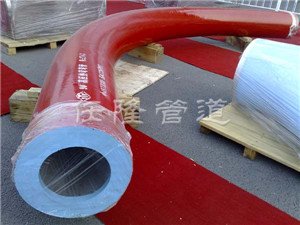
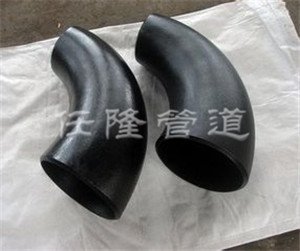
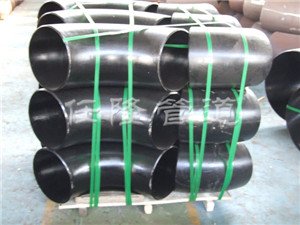
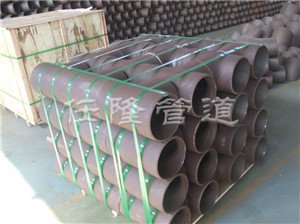
Pressure vessel heads are a type of boiler component. They are commonly used at both ends of pressure vessels, and also serve as end closures for pipelines with a variety of structural forms.

Among all types of pressure vessel heads, the spherical head features superior stress performance. Under the same diameter and pressure, it requires smaller thickness and saves materials, so it is widely used in vessels with high pressure. Meanwhile, in the connection between all types of heads and cylinders, there is a relatively large thickness difference between spherical heads and cylinders. The connecting structure between them not only affects equipment manufacturing, but also serves as one of the key factors for the safe operation of vessels. In GB150-1998, the circumferential butt weld between cylinders and spherical heads is defined as Class A welded joint.

The custom processing of raw materials for heads has a long-standing and widespread practice. To effectively control the entire manufacturing process of heads, promote large-scale and specialized production of heads, standardize the head market, and ensure the absolute safety of special equipment such as pressure vessels, it is necessary for the Special Equipment Safety Supervision Bureau to make unified arrangements for safety supervision, inspection and testing of pressure vessels across regions. Head manufacturing enterprises shall strictly control the input and output of raw material processing, clarify respective legal liabilities, put an end to counterfeit and shoddy products and illegal manufacturing, and continuously purify and standardize the head market for special equipment including pressure vessels.

Reviews

There are no reviews yet.

Be the first to review “Pressure Vessel Head Pipe Cap”

Your email address will not be published. Required fields are marked *